-
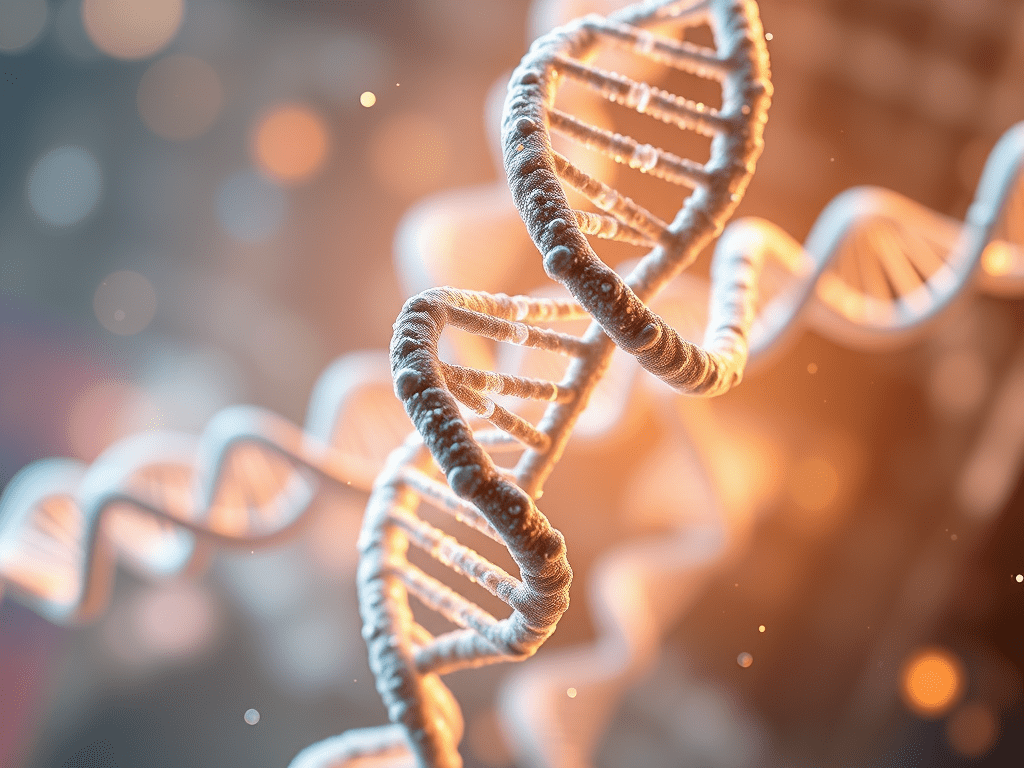
CRISPR Technology: Science Behind Genetic Editing
Imagine if we could fix the instructions inside our cells, the code that makes us who we are, like editing a sentence in a word document. That is what CRISPR, a powerful gene-editing tool, allows scientists to do. Over the past decade, this technology has become one of the most exciting breakthroughs in science and… Read more
-
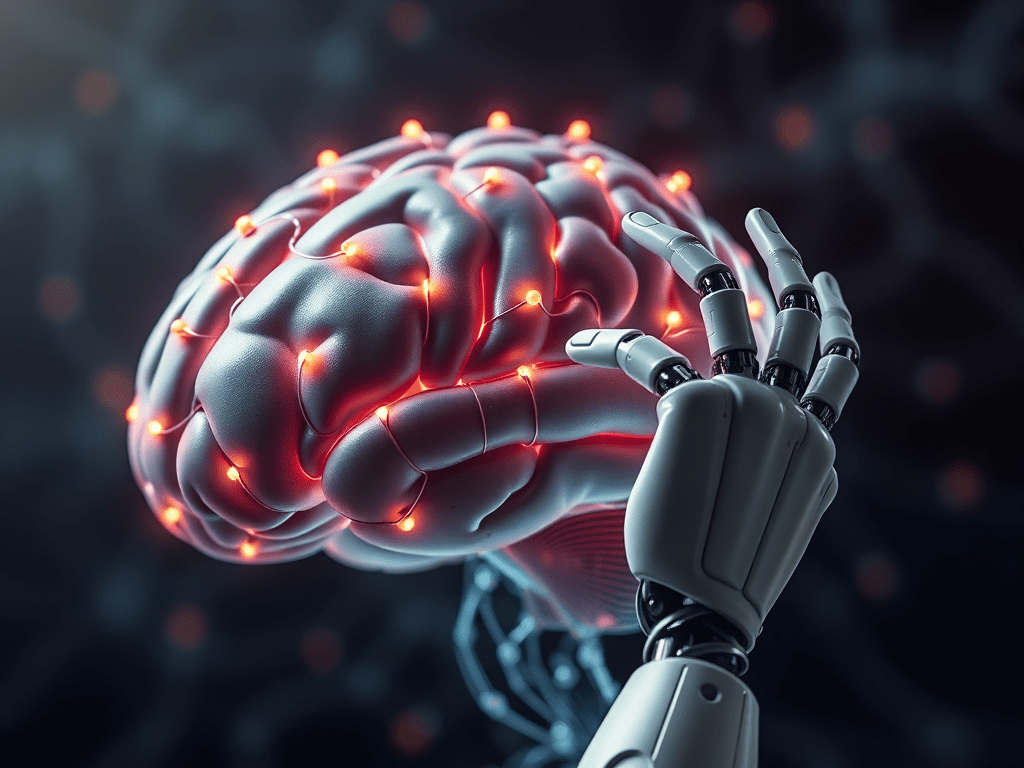
Neural Implants: What They Are, How They Work, and Where We’re Headed
Neural implants are tiny devices that connect the human brain to computers. They may sound like science fiction, but scientists and engineers are already testing them in real people. These devices are helping people paralyzed by injury move robotic arms, restoring voices to those who lost speech, and opening the door to even bigger breakthroughs.… Read more
-
Unveiling Rare Blood Types: Gwada-Negative and CRIB
When you think of blood, chances are you think of something very simple: red liquid that flows through your veins, keeping you alive. Maybe you know your blood type—A, B, AB, or O, and whether you’re positive or negative. You might even remember filling out a form or donating blood and being told, “You’re O… Read more
-
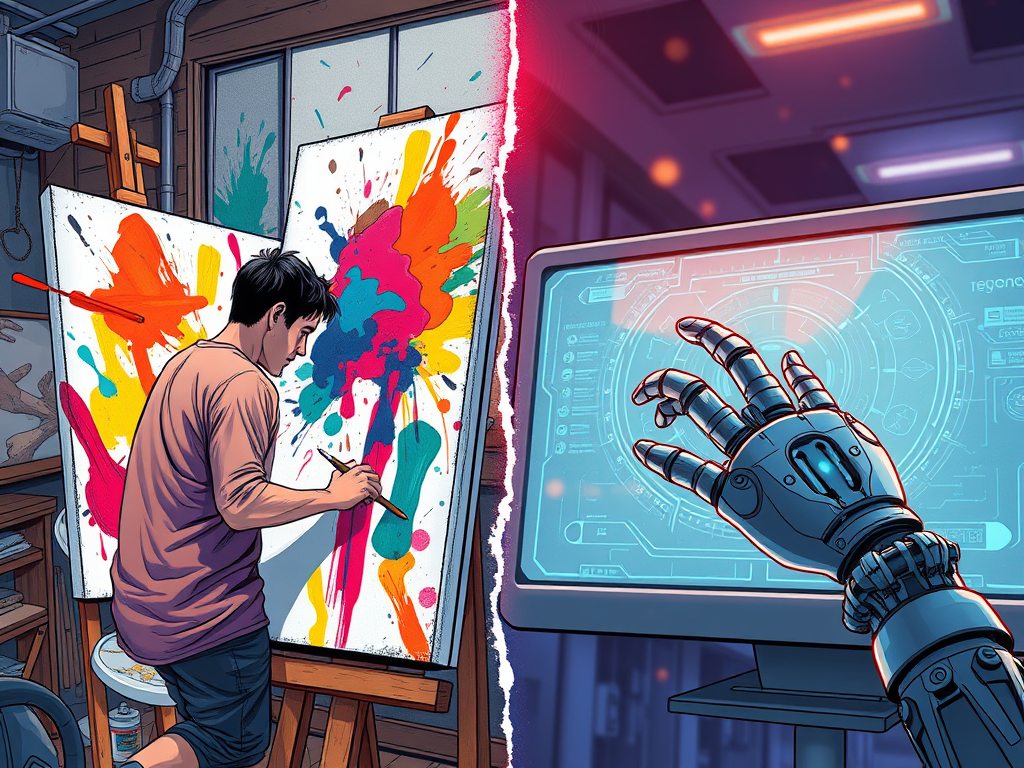
The Impact of AI on Human Creativity
We live in a world where artificial intelligence writes poems, paints portraits, composes music, and even more. What once required human imagination now takes just a few clicks and a few typed prompts. It sounds magical, but here’s the important question: If machines are starting to think for us, are we thinking less? More and… Read more
-
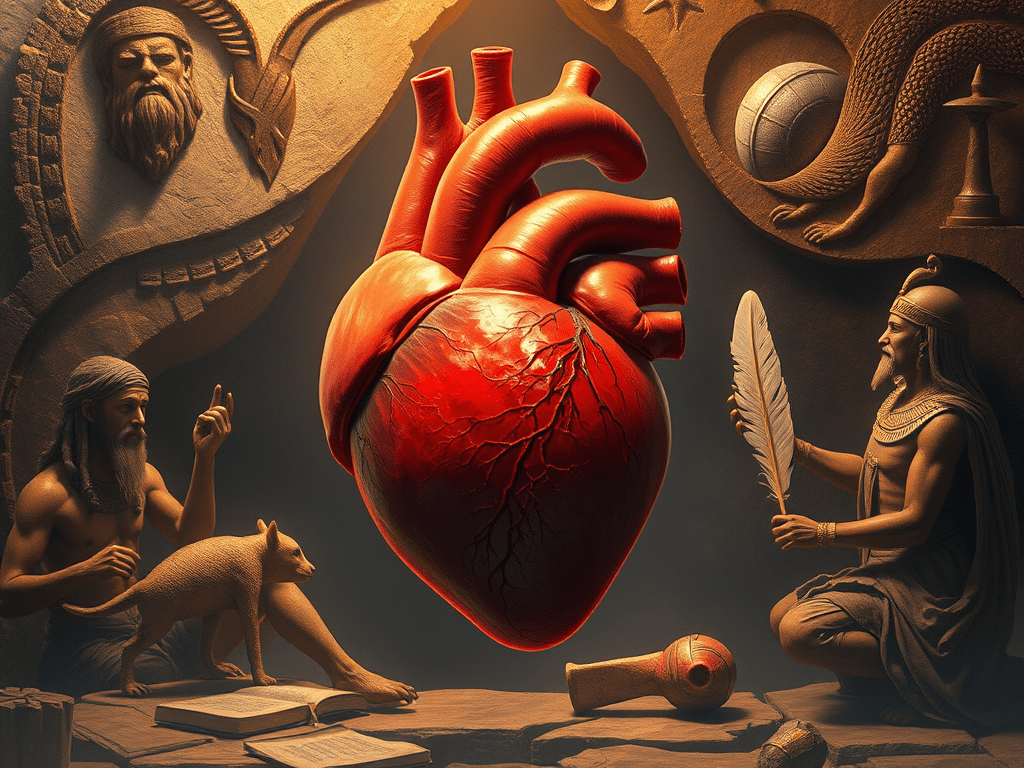
Understanding the Heart: Myths, Science, and Modern Medicine
If the heart could speak, it would probably ask for a break. Beating more than 100,000 times a day, every day, it quietly powers everything we do. For most of human history, however, people had no idea what the heart actually did. They just knew it was important. From superstition and spirituality to science and… Read more
-

Reviving Extinct Species: From Mammoths to Passenger Pigeons
Imagine walking through a frozen landscape. Snow all around. Out of the mist comes a massive woolly mammoth. It’s alive! You blink twice—but it’s real. This might sound like a scene from a sci-fi movie, but it’s something scientists are actually working on. The idea of bringing extinct animals back to life is known as… Read more
-
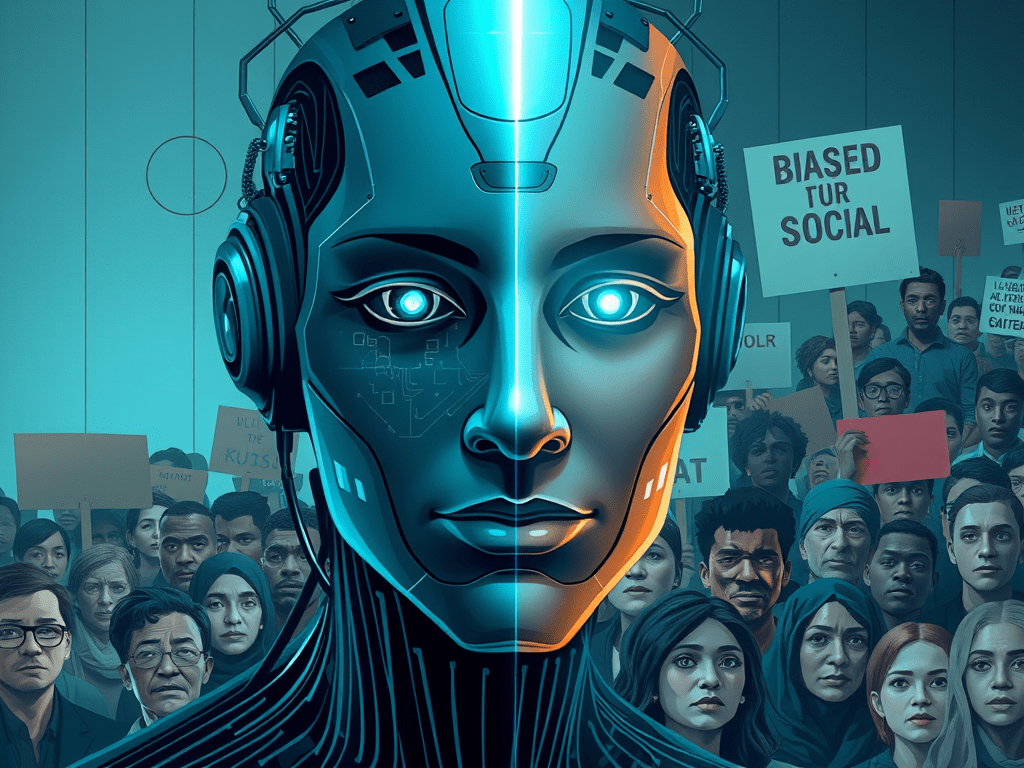
The Ethics of AI: Can AI Be Biased?
Artificial intelligence is everywhere. It curates our playlists, unlocks our phones, and, more and more, it decides who gets a loan, who gets hired, or who ends up in a police lineup. We like to think of AI as this cold, neutral machine — emotionless, logical, immune to the ugliness of human bias. But here’s… Read more
-

How Social Media Shapes Our Brain Function
Let’s be honest: social media isn’t just a part of our lives anymore — it is our lives. But while your thumbs are swiping and your eyeballs are glued to your screen, have you ever paused and wondered what your brain is doing through all this? This blog isn’t just another lecture about how social… Read more
-
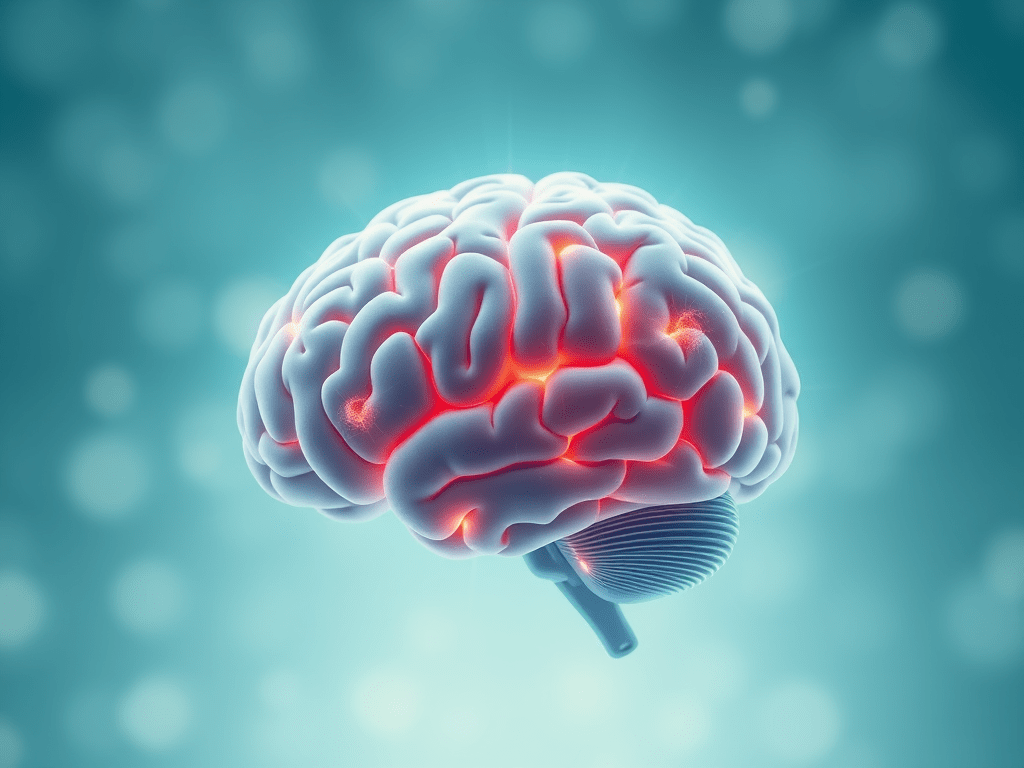
Understanding Alzheimer’s Disease: Symptoms and Diagnosis
What Is Alzheimer’s Disease? Alzheimer’s disease is a degenerative brain disorder that slowly destroys memory, thinking skills, and eventually the ability to carry out simple tasks. It is the most common cause of dementia, a general term for memory loss and cognitive decline that interferes with daily life. Alzheimer’s accounts for 60% to 80% of… Read more
-

Benefits of the Micra: The World’s Smallest Pacemaker
A pacemaker is a small medical device that helps control the heartbeat. When someone’s heart beats too slowly or has an irregular rhythm, the pacemaker sends tiny electrical pulses to make the heart beat properly. It works like a timing device, making sure the heart keeps a steady rhythm so blood can flow smoothly through… Read more
-
Subscribe
Subscribed
Already have a WordPress.com account? Log in now.
 Double Click